






This story first appeared in Power Shift, The Yappie's weekly newsletter on national AAPI power, politics, and influence. Subscribe for free here.
Many Pacific Islander veterans currently have to travel thousands of miles and pay thousands of dollars to get treated at a Department of Veterans Affairs (VA) health facility. That could soon change under a new bill that aims to reduce barriers to access.
Last week, the U.S. House passed sweeping legislation to support veterans, including key provisions that would bolster health care infrastructure for veterans living in U.S. territories and the freely associated states.
The bill does two things:
- Authorize the VA to assign traveling physicians for up to one year of service within U.S. territories, reducing the need for veterans to travel long distances to receive treatment.
- Require the VA to create a formal agreement within the Compacts of Free Association (COFA), expanding health care service through travel cost reimbursements, telehealth visits, and mail-order prescriptions as well as sending personnel to COFA states directly.
In their words: “I can think of no better way to honor our veterans than by taking action to improve the care and services available to them,” Del. Kimberlyn King-Hinds (R-CNMI) said in a statement.
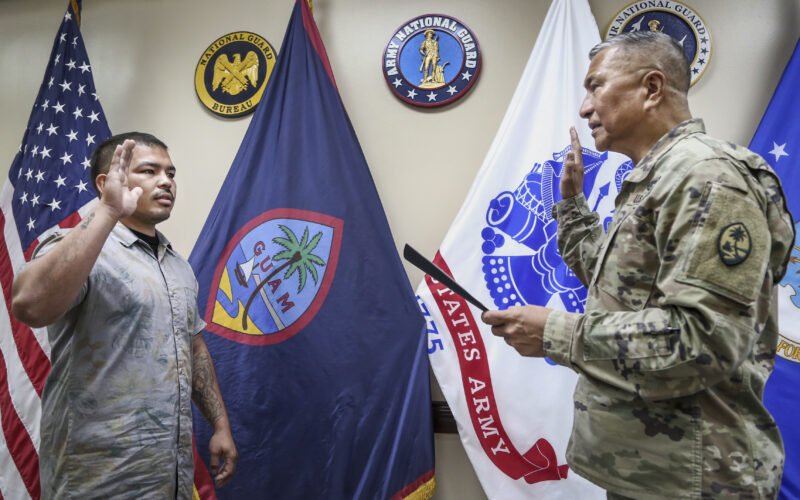
The backdrop: Pacific Islander communities have some of the highest rates of military enlistment in the U.S., per the Pacific Island Times.
- Guam, the Northern Mariana Islands, the U.S. Virgin Islands, American Samoa, and the Republic of Palau ranked highest for enlistment rates per capita among U.S. states, territories, and freely associated states in 2022, according to an analysis from the Government Accountability Office (GAO).
- Guam’s was more than double the rate of the highest U.S. state.
But most of these regions lack VA hospitals, forcing veterans to travel extensively for inpatient and some specialty care, Pasquines reports.
- Those in COFA states have to travel over 4,000 miles on flights up to 12 hours to access the nearest full VA medical center, per a September GAO report, and are currently ineligible for travel cost reimbursements.
VA hospitals are uniquely positioned to provide affordable care for veterans, who are more at risk of chronic co-occurring conditions, poverty, and mental health diagnoses.
- They also offer specialized treatment for illnesses directly related to military service, including PTSD, traumatic brain injuries, amputations, and military sexual trauma.
Still, the broader legislative package remains controversial due to other provisions that could change the benefits financing structure and result in lower disability payments in the future for some veterans, the Military Times notes.
- House Veterans’ Affairs Committee Ranking Member Mark Takano (D-California) actually attempted to force consideration of a competing bill before Republicans held a voice vote to pass it, per Politico. (He has since accused the GOP of drawing Democrats away from the podium in order to ram through the vote.)
What’s next: The bill heads to the Senate.
Our take: For Pacific Islanders in the U.S. territories and COFA nations, enlisting in the U.S. military is often one of the few pathways to financial security due to limited economic opportunities in these traditionally under-invested regions.
- The least the U.S. government can do is eliminate barriers to care, community advocates say.
About The Yappie: The Yappie is an independent, nonprofit newsroom dedicated to tracking Asian American and Pacific Islander power, politics, and influence. Learn more at theyappie.com/about.