








Sign up here to receive The Yappie’s weekly briefing on Asian American + Pacific Islander politics and support our work by making a donation.
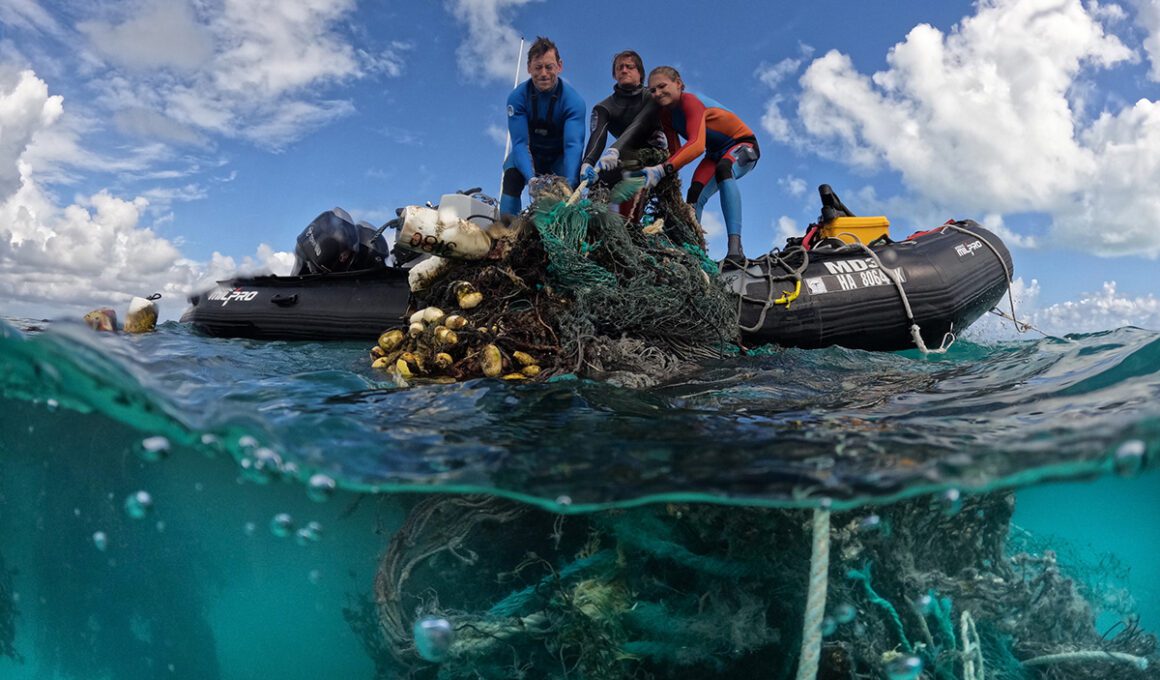
In just 19 days, a Hawaiʻi-based nonprofit organization cleaned over 70,000 pounds of marine debris from the Papahānaumokuākea Marine National Monument, which stretches across 583,000 square miles of ocean waters.
- Conducted from April 15 to May 3, the mission is the first of three marine debris clean-ups planned for 2024.
- The 12-people expedition cleared nearly 11 miles of shoreline. Debris included 35,100 pounds of derelict fishing nets and nearly 33,000 pounds of plastic marine debris, such as fishing gear, buoys, and floats.
How it happened: The Papahānaumokuākea Marine Debris Project (PMDP) sends a team to the Papahānaumokuākea Marine National Monument (PMNM) in the Northwestern Hawaiian islands every year to rid the area of run-down fishing nets, plastic pollution, and other forms of marine debris.
- Roughly 52 metric tons—or 114,640 pounds—of debris pile up on the shores of the Northwestern Hawaiian Islands every year, according to estimates from the National Oceanic and Atmospheric Administration (NOAA).
- PMDP, a nonprofit, aims to protect and preserve the wildlife and ecosystems of the monument. Kuaihelani—also known as the Midway Atoll—is an important habitat for several endangered species, including Hawaiian monk seals and Laysan ducks, Paula Dobbyn of Honolulu Civil Beat reports.
- Footage shows its dispatch team examining degraded marine items like a guitar and sandal; untangling fishing nets from metal, wire, and cement; shuttling large loads of trash on boats.
- The NOAA Marine Debris Program is contributing roughly $5.8 million to the project through a five-year grant to the National Fish and Wildlife Foundation.
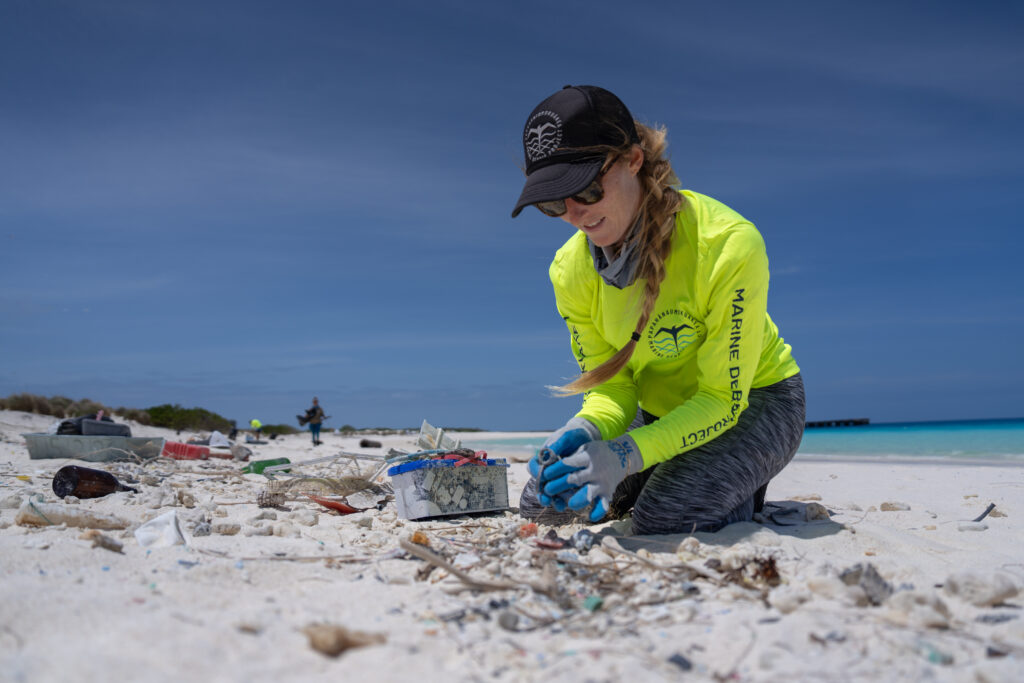
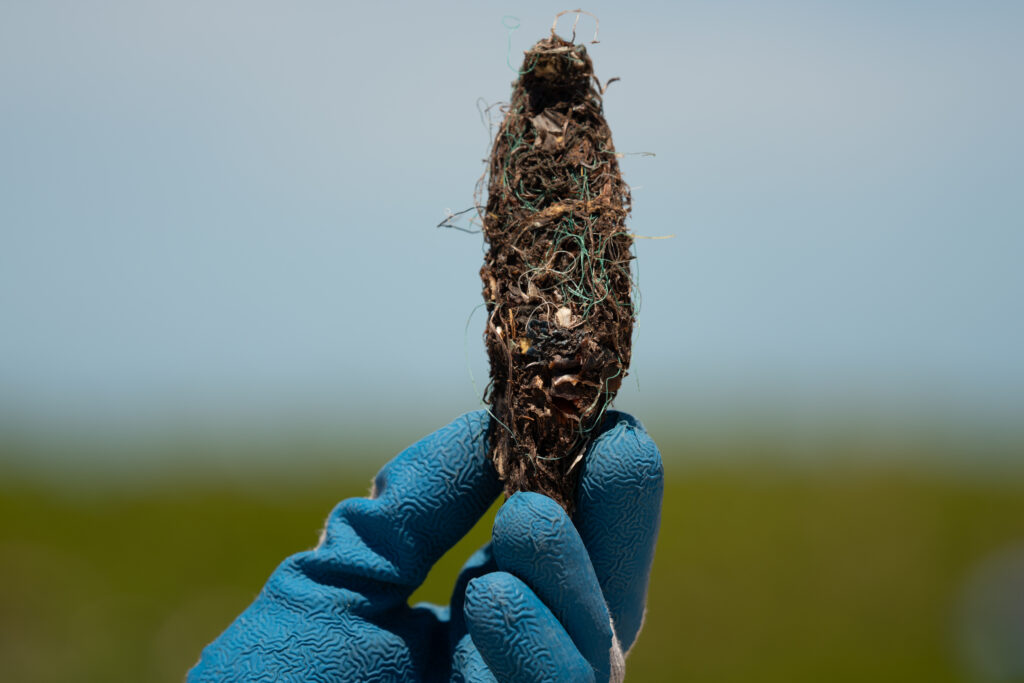
Photo: Andrew Sullivan-Haskins
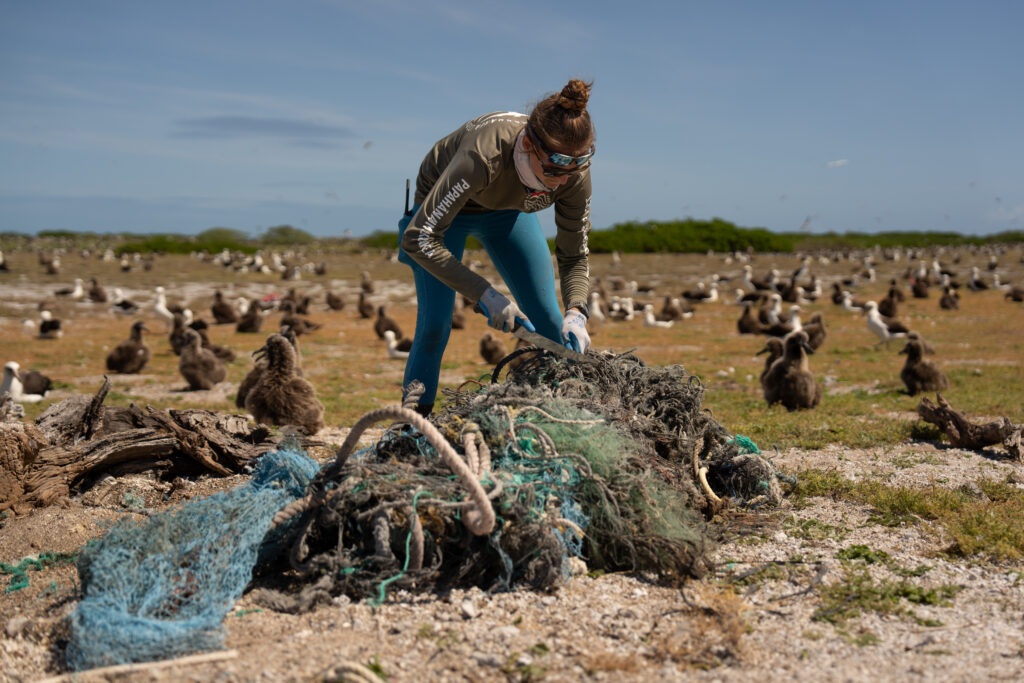
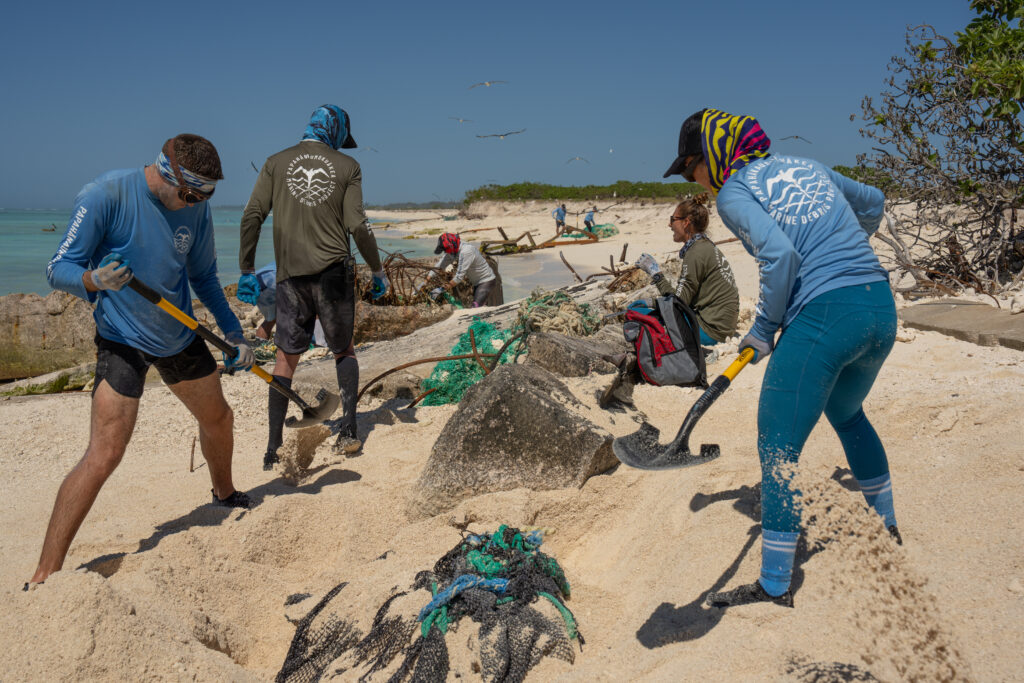
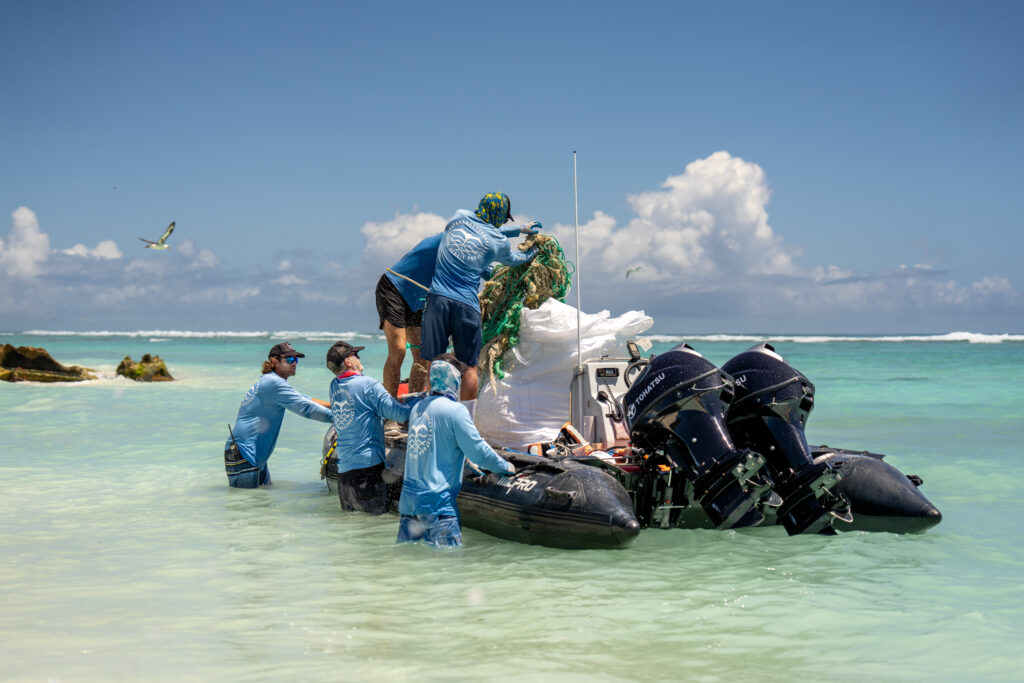
The Papahānaumokuākea monument is one of the largest marine conservation areas in the world. It covers more than 580,000 square miles—larger than the size of all of the country’s national parks combined.
- PMDP says it has removed more than 785,000 pounds of marine debris from within the marine monument over the last four years.
- A total of at least 2.4 million pounds of debris have been removed from the national monument since in-water marine debris removal began 1996, according to the University of Hawaiʻi.
The work done by the PMDP parallels other local organizations in Hawaiʻi fighting to preserve the islands’ local ecosystems and protect the environment from pollution.
- The Hawaiʻi Nei Marine Debris Removal Project—a joint effort between the Hawai‘i Wildlife Fund, Surfrider Foundation, and Pūlama Lānaʻi—removed close to 400,000 pounds of pollution from Hawai‘i, Maui, Kauaʻi, and Lānaʻi between 2018 and 2021.
- Because of where Hawaiʻi is located, permanent ocean currents that are essentially giant whirlpools—also known as gyres—cause disproportionately large amounts of marine debris buildup along the islands’ shores.
- Abandoned fishing nets can get caught on coral reefs and trap threatened and endangered local wildlife. Marine debris can also harm humans, as plastic gets into the seafood people consume.
What to watch: PDMP has set a target goal to remove an additional 215,000 pounds of debris later this year.
- Still, the sheer amount of plastic debris flowing into the ocean accumulates “at a rate far faster than any feasible cleanup,” scientist Richard Thompson told USA TODAY’s Doyle Rice last November.
Meanwhile: Native Hawaiians continue to experience outsized impacts of pollution and climate change, including rising sea levels, increased drought, less access to fresh water, and more.
- Case in point: Maui residents are likely to face long-term health consequences from the Lahaina wildfires, which were in part caused by invasive, non-native grasses originally brought over by European colonizers.
This story appeared as “The Big Story” in The Yappie’s July 9, 2024 newsletter.
The Yappie is your must-read briefing on AAPI power, politics, and influence, fiscally sponsored by the Asian American Journalists Association. Make a donation, subscribe, and follow us on Twitter (@theyappie). Send tips and feedback to editors@theyappie.com.